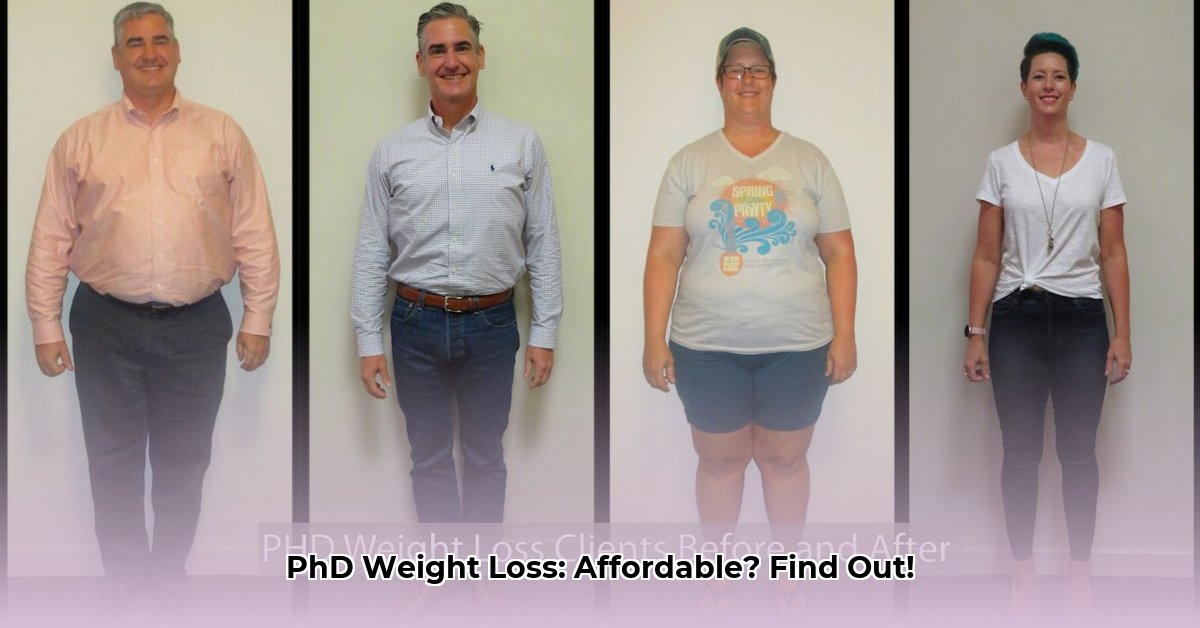
Losing weight can feel like an uphill battle. Countless programs promise quick fixes, but the costs and true effectiveness often remain unclear. This article clarifies the costs and effectiveness of PhD Weight Loss programs, helping you decide if it's the right investment for your journey. We'll dissect the pricing, explain the program's methodology, examine its success rates (with a healthy dose of skepticism), and explore the pros and cons. We'll even discuss alternatives, empowering you to make a well-informed decision. Ready to map out your path to a healthier you?
Decoding the Monthly Costs: A Transparent Look at Pricing
The price of a PhD Weight Loss program varies considerably, ranging from roughly $500 to over $3500 for a three-month program. Several factors influence the final cost:
- Location: Programs in higher-cost areas naturally reflect these higher living expenses.
- Included Services: A plan including meal delivery services will inevitably cost more than a basic program.
- Individualized Needs: Tailored plans, addressing specific health concerns and goals, are priced higher than more general programs.
For precise pricing, contact providers directly. Greater transparency from programs themselves would greatly benefit potential clients.
How PhD Weight Loss Programs Work: A Holistic Approach
These programs go beyond simple dieting. They employ a holistic strategy:
- Expert Nutritional Guidance: Registered dietitians create personalized meal plans aligning with your lifestyle and nutritional needs, educating you on long-term healthy eating habits.
- Behavioral Therapy for Lasting Change: Therapists help you understand your relationship with food, identify triggers, and develop strategies for managing emotional eating. This is essential for sustained weight loss.
- Optional Meal Delivery: Some offer prepared meals, easing the burden of healthy cooking. This adds to the overall cost but significantly increases convenience.
The overarching aim is sustainable weight management, not short-term results. However, let's critically examine their effectiveness.
Real-World Results: A Cautious Look at Success Rates
Programs often report impressive success rates—sometimes as high as 95% weight loss and 85% long-term maintenance. However, these figures usually originate from the programs themselves. Independent verification is often scarce. This doesn't negate the programs' potential effectiveness, but it demands a realistic assessment of expectations. Numerous factors influence individual results:
- Commitment: Diligent adherence to the program is paramount for optimal results.
- Individual Factors: Genetics, pre-existing health conditions, and lifestyle all influence outcomes.
Therefore, those impressive statistics shouldn't be interpreted as guarantees, but rather as a best-case scenario based on self-reported data. How can we ensure we get a realistic picture of the program’s actual success?
Weighing the Pros and Cons: An Objective Assessment
Before enrolling, carefully consider the advantages and disadvantages. PhD Weight Loss programs offer a comprehensive approach, promising lasting lifestyle changes, but come with a hefty price tag.
| Pros | Cons |
|---|---|
| Highly personalized approach, tailored to your needs | High cost |
| Holistic approach combining nutrition, therapy, and potential meal delivery | Limited independent data verifying success rates |
| Potential for long-term weight management and healthy habits | Requires substantial time commitment and active participation |
| Expert guidance from registered dietitians and therapists | May not be suitable for those with limited financial resources |
| Convenience of optional meal delivery | Success hinges significantly on individual adherence and program commitment |
Exploring Alternatives: Cost-Effective Weight Loss Strategies
Given the substantial cost, exploring alternatives is crucial. Effective and more affordable options include working with a registered dietitian, a therapist specializing in behavioral modification, or joining a support group. Remember, a healthier lifestyle encompasses more than just weight loss; prioritize your overall well-being.
Minimizing Risks: Strategies for Success
The high cost represents a significant risk. Look for programs offering transparent pricing and flexible payment options. The lack of independent research verifying claims is another concern. Request data from the program to assess the evidence supporting their claims. The program mitigates some risks through:
- Personalized Meal Plans: Adjusted based on progress and feedback.
- Varied Therapy Options: Catering to different learning styles and personalities.
- Ongoing Support and Resources: Tools and support for long-term success.
Thorough research, open communication, and realistic expectations are key to making an informed decision aligning with your needs and resources. Investing in your health is a commitment, but the rewards can last a lifetime.
How to Choose the Right PhD Weight Loss Program
Key Takeaways:
- PhD programs offer a comprehensive approach but are costly.
- Success depends on commitment and adherence.
- Independent verification of success rates is limited.
- Transparency regarding pricing and insurance coverage is essential.
- Consider your budget, needs, and long-term goals.
Remember to thoroughly research and compare different options before making a decision. A healthier lifestyle is a journey, not a destination.